

Agricultural Fencing Options in Orangeburg SC: Farm & Livestock
By Dubya Fence Company | September 27, 2026 | 8 min read
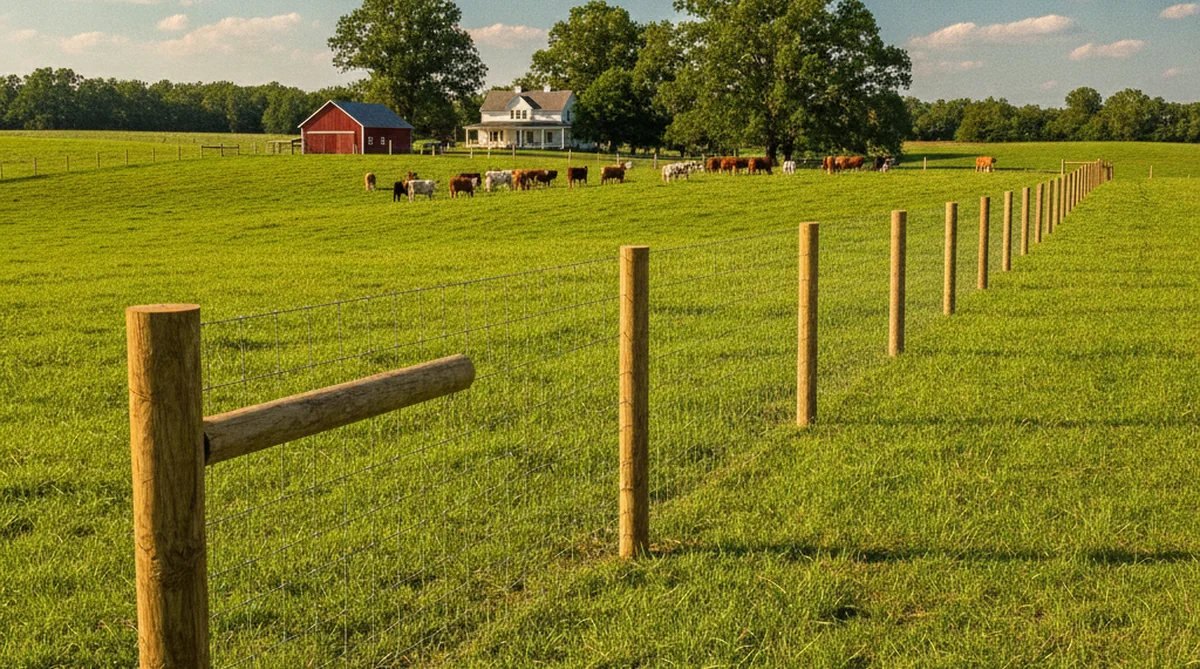
Agricultural fencing in Orangeburg, SC requires durable, cost-effective solutions designed to contain livestock, protect crops, and define property boundaries across the diverse farmland of Orangeburg County. From traditional barbed wire and woven wire to modern high-tensile electric fencing, local farmers have multiple options to meet their specific agricultural needs.
What Are the Best Fencing Options for Livestock in Orangeburg County?
The best livestock fencing options for Orangeburg County farms include woven wire, barbed wire, high-tensile electric fencing, and board fencing, depending on the type of animals you're raising. Cattle operations throughout the region often rely on barbed wire or high-tensile electric fencing for cost-effective perimeter control across large pastures. For horse farms, which are common in the Orangeburg area, board fencing or vinyl rail fencing provides superior visibility and safety, preventing injuries that can occur with wire options.
Hog and sheep operations typically benefit from woven wire fencing with smaller mesh openings that prevent escape and protect against predators. As a family-owned local fence contractor serving Orangeburg County, Dubya Fence Company understands the unique requirements of area farms and can recommend the appropriate gauge, height, and spacing for your specific livestock needs.
How Does High-Tensile Electric Fencing Work for Farm Applications?
High-tensile electric fencing uses smooth, high-strength wire charged with electrical pulses to create a psychological barrier that trains animals to avoid the fence line. This system is particularly popular among Orangeburg County cattle ranchers because it covers large acreages at a fraction of the cost of traditional fencing while requiring fewer posts and less maintenance.
The electric charge delivers a memorable but harmless shock that conditions livestock to respect the boundary after just one or two encounters. Modern energizers are highly reliable and can be powered by standard electrical outlets, solar panels, or batteries—making them ideal for remote pastures common in rural Orangeburg County. High-tensile systems also flex upon impact rather than breaking, reducing damage from fallen trees or animal contact during the severe weather that occasionally affects South Carolina.
What Type of Fencing Works Best for Crop Protection and Gardens?
For crop protection and garden security in Orangeburg, woven wire fencing with smaller mesh openings effectively excludes deer, wild hogs, and other wildlife that threaten agricultural production. The fertile farmland around Orangeburg attracts significant wildlife pressure, particularly from the white-tailed deer population that can devastate crops and vegetable gardens overnight.
Many local farmers combine woven wire fencing with a single strand of electric wire positioned at deer nose-height (approximately 30 inches) to create an effective deterrent. For smaller garden plots, chain link fencing provides excellent visibility while keeping out rabbits, groundhogs, and larger pests. If you're ready to protect your crops or garden from wildlife damage, call Dubya Fence Company at (803) 855-1001 for a free consultation and estimate tailored to your Orangeburg County property.
Should Orangeburg Farmers Choose Wood or Vinyl Rail Fencing?
Wood and vinyl rail fencing both offer excellent options for Orangeburg area horse farms and decorative agricultural boundaries, with each material providing distinct advantages. Traditional wood board fencing, particularly treated pine or oak, delivers authentic aesthetic appeal and has been the standard choice for equestrian facilities throughout South Carolina for generations. Wood fencing integrates naturally with the rural landscape of Orangeburg County and can be painted or stained to match farm buildings.
Vinyl rail fencing, however, has gained considerable popularity among local farmers due to its exceptional durability and virtually maintenance-free performance in South Carolina's humid climate. Unlike wood, vinyl won't rot, warp, or require regular painting, and it maintains its appearance for decades despite Orangeburg's hot summers and occasional winter freezes. While vinyl fencing requires a higher initial investment, the long-term cost savings and reduced labor make it an economically sound choice for many operations.
How Do You Determine Fence Height and Line Posts for Agricultural Properties?
Proper fence height and post spacing depend on the specific animals being contained and the terrain characteristics of your Orangeburg County property. Cattle typically require fencing between 42 and 52 inches high, while horses need taller fences of 54 to 60 inches to prevent jumping. Hogs and sheep require specialized considerations, with woven wire extending close to ground level to prevent rooting underneath or squeezing through gaps.
Line post spacing varies by fence type and application, with high-tensile systems allowing posts every 40-50 feet on level ground, while traditional barbed wire typically requires posts every 12-16 feet. The gently rolling terrain common throughout Orangeburg County may require adjustments to standard spacing to maintain proper fence line tension and performance. Corner posts and gate posts require significantly more bracing to handle the tension loads that build up across long fence runs on agricultural properties.
What Local Regulations Apply to Agricultural Fencing in Orangeburg?
Agricultural fencing in Orangeburg County generally enjoys fewer restrictions than residential fencing, though property owners should verify boundary lines and understand fence law responsibilities before installation. South Carolina operates under "fence out" principles for most livestock, meaning property owners who want to exclude neighboring livestock are responsible for building adequate fencing, rather than livestock owners being required to fence animals in.
However, many Orangeburg County farmers choose to fence their animals properly regardless of legal requirements to maintain good neighbor relations and prevent livestock loss. Before installing agricultural fencing, confirm property boundaries with a recent survey, respect any easements or right-of-way corridors, and consider discussing fence placement with adjacent landowners. As an experienced family-owned local fence contractor, Dubya Fence Company can guide you through these considerations while installing vinyl, chain link, wood, aluminum, privacy, farm, and pool fences throughout the Orangeburg area with quality craftsmanship and local expertise.
Frequently Asked Questions
How much does agricultural fencing typically cost per foot in Orangeburg County?
Agricultural fencing costs in Orangeburg County range from $1.50 to $4.00 per foot for barbed wire or high-tensile electric systems, while board fencing and vinyl rail options typically cost $8 to $20 per foot installed. The total cost depends on materials chosen, terrain conditions, fence height, and the total linear footage required for your property.
What is the most cost-effective fencing for large cattle pastures in Orangeburg?
High-tensile electric fencing is typically the most cost-effective option for large cattle pastures in Orangeburg, costing significantly less than traditional barbed wire while covering more acreage with fewer materials. This system requires fewer posts, less labor to install, and minimal ongoing maintenance, making it ideal for expansive South Carolina cattle operations.
How long does farm fencing last in Orangeburg's climate?
Properly installed farm fencing in Orangeburg typically lasts 15-25 years for treated wood, 20-30 years for quality barbed wire or woven wire, and 30-50 years for vinyl rail fencing. South Carolina's humid climate and occasional severe weather require quality materials and proper installation to maximize fence longevity and performance.
Do I need permits to install agricultural fencing in Orangeburg County?
Most agricultural fencing on established farm properties in Orangeburg County does not require permits, though it's advisable to check with the county planning department for your specific situation. Fencing near roadways, waterways, or in areas with conservation easements may have additional requirements or setback regulations.
Can electric fencing be used safely with all types of livestock?
Electric fencing can be used safely with cattle, horses, hogs, sheep, and goats when properly designed with appropriate wire height, spacing, and voltage settings for each species. However, training periods are necessary to condition animals to respect the fence, and backup physical fencing is often recommended for high-value horses or in areas where fence failure could create safety hazards.
Published September 27, 2026 | Dubya Fence Company serves Orangeburg, Sumter, Summerville, Bamberg, Holly Hill, and surrounding counties in the SC Midlands.