

How to Maintain Your Wood Fence in Orangeburg's Humid Climate
By Dubya Fence Company | August 09, 2026 | 8 min read
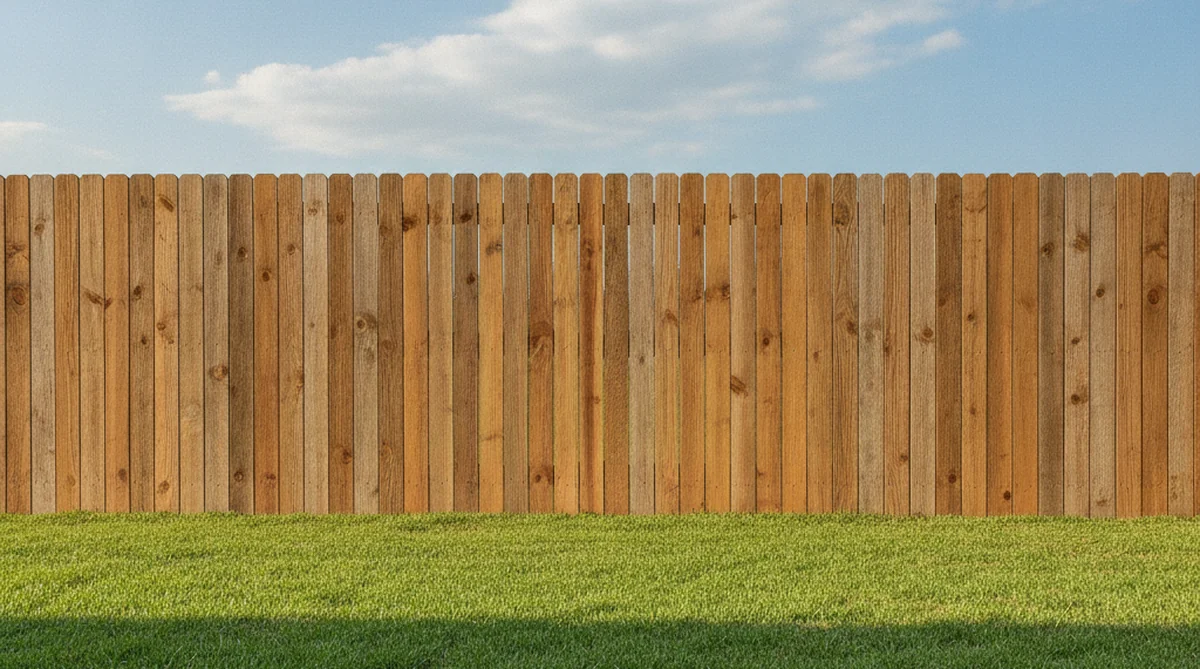
Maintaining a wood fence in Orangeburg's humid climate requires regular cleaning, sealing, and inspections to prevent moisture damage, rot, and mold growth that thrive in South Carolina's subtropical conditions.
Why Orangeburg's Humidity Poses Unique Challenges for Wood Fences
Orangeburg County experiences some of the highest humidity levels in South Carolina, creating a challenging environment for wood fencing. The combination of hot summers, frequent rainfall, and moisture-heavy air creates ideal conditions for wood rot, mold, mildew, and insect infestations. Unlike drier climates where wood fences may last for decades with minimal maintenance, Orangeburg homeowners need to be proactive about fence care to protect their investment. The humid subtropical climate means that wood remains damp for extended periods, accelerating decay and weakening the structural integrity of fence posts, rails, and pickets.
Clean Your Wood Fence at Least Twice Yearly
You should clean your wood fence at least twice per year—once in spring and once in fall—to remove dirt, mildew, and organic debris that trap moisture against the wood. In Orangeburg's climate, this regular cleaning schedule is essential rather than optional. Start by removing any vegetation, leaves, or debris that have accumulated along the fence line, as these create pockets of trapped moisture. Use a garden hose or pressure washer on a low setting (1,500 PSI or less) to avoid damaging the wood grain. For stubborn mold or mildew stains, apply a solution of oxygen bleach and water, scrub gently with a soft-bristled brush, and rinse thoroughly. If you notice extensive mold growth or structural concerns during cleaning, the family-owned team at Dubya Fence Company can assess whether repairs are needed—just call (803) 855-1001 for a professional inspection.
Apply Water-Repellent Sealant Every 2-3 Years
Sealing your wood fence every two to three years is critical for protecting against Orangeburg's moisture and UV exposure. A quality water-repellent sealant or stain creates a protective barrier that prevents water absorption while allowing the wood to breathe. Before applying any sealant, ensure the fence is completely clean and dry—wait at least 48 hours after cleaning and check the weather forecast for a stretch of dry days. In Orangeburg County, the best times to seal your fence are typically late spring (April-May) or early fall (September-October) when humidity levels are slightly lower and rain is less frequent. Choose a sealant specifically designed for the humid Southeast climate, and apply it according to manufacturer instructions using a brush, roller, or sprayer. Pay special attention to the tops of fence posts and horizontal rails where water tends to pool.
Inspect and Repair Damage Promptly
Regular inspections every three to four months help you catch minor issues before they become major problems in Orangeburg's harsh conditions. Walk along your entire fence line looking for signs of rot, loose boards, rusted or corroded fasteners, leaning posts, or insect damage. Check the base of fence posts carefully, as this is where moisture accumulates and rot typically begins. Tap posts with a screwdriver handle—solid wood sounds firm, while rotted wood sounds hollow or soft. If you notice soft spots, the screwdriver will sink into the wood easily. Replace any damaged boards or pickets immediately, as compromised sections allow more moisture penetration and can spread decay to adjacent areas. For posts showing significant rot or fences with structural instability, professional repair is recommended to ensure safety and longevity.
Ensure Proper Drainage Around Fence Posts
Good drainage is your wood fence's best defense against the constant moisture present in Orangeburg County. Fence posts should never sit in standing water, as continuous contact with saturated soil accelerates rot from the ground up. Grade the soil around your fence line so water flows away from posts rather than pooling against them. Clear any low-lying areas where water tends to collect after Orangeburg's frequent afternoon thunderstorms. Consider adding a layer of gravel around the base of posts to improve drainage and create separation between wood and constantly damp soil. Trim back grass, weeds, and plants at least six inches from the fence to allow air circulation and faster drying after rain. If your property experiences drainage issues or your fence runs through low-lying areas common near the North Fork Edisto River, you may need to install French drains or regrade sections of your yard.
Know When to Replace Rather Than Repair
Even with excellent maintenance, wood fences in Orangeburg's climate eventually reach the end of their lifespan, typically lasting 15-20 years with proper care. Signs that replacement is more cost-effective than continued repairs include widespread rot affecting multiple posts, significant leaning or structural instability, more than 30% of boards requiring replacement, or recurring problems despite regular maintenance. When replacement becomes necessary, Dubya Fence Company, your family-owned local fence contractor serving Orangeburg County, offers a variety of fencing options including vinyl, chain link, wood, aluminum, privacy, farm, and pool fences. If you're unsure whether your fence needs repair or replacement, an expert assessment can help you make an informed decision. Alternative materials like vinyl or aluminum may be worth considering if you prefer lower maintenance requirements, though many Orangeburg homeowners still choose quality wood fencing for its natural beauty and traditional appeal.
Frequently Asked Questions
How often should I seal my wood fence in Orangeburg, SC?
You should seal your wood fence every 2-3 years in Orangeburg's humid climate. The high moisture levels and frequent rainfall in South Carolina accelerate the breakdown of protective sealants, making regular reapplication essential for preventing water damage and rot.
What type of wood holds up best in Orangeburg County's humidity?
Cedar and pressure-treated pine are the best wood fence options for Orangeburg's humid climate. Cedar contains natural oils that resist rot and insect damage, while pressure-treated pine has chemical preservatives that protect against moisture and decay common in South Carolina's subtropical conditions.
Can I pressure wash my wood fence in Orangeburg?
Yes, but use a pressure washer on a low setting of 1,500 PSI or less to avoid damaging the wood. High pressure can splinter wood, raise the grain, and actually force water deeper into the fence material, which is particularly problematic in Orangeburg's already moisture-rich environment.
Why does my wood fence get moldy so quickly in Orangeburg?
Orangeburg's high humidity, frequent rainfall, and warm temperatures create ideal conditions for mold and mildew growth on wood surfaces. The subtropical climate keeps wood damp for extended periods, allowing mold spores to thrive and spread rapidly without proper cleaning and sealing.
How long does a wood fence typically last in Orangeburg County?
A well-maintained wood fence in Orangeburg typically lasts 15-20 years, though this can vary based on wood type and maintenance practices. The humid climate is harder on wood fencing than drier regions, making regular cleaning, sealing, and repairs essential to reaching the upper end of this lifespan.
Published August 09, 2026 | Dubya Fence Company serves Orangeburg, Sumter, Summerville, Bamberg, Holly Hill, and surrounding counties in the SC Midlands.